


Buffalo Paya – Traditional Slow-Cooked Recipe | Zaika Menu
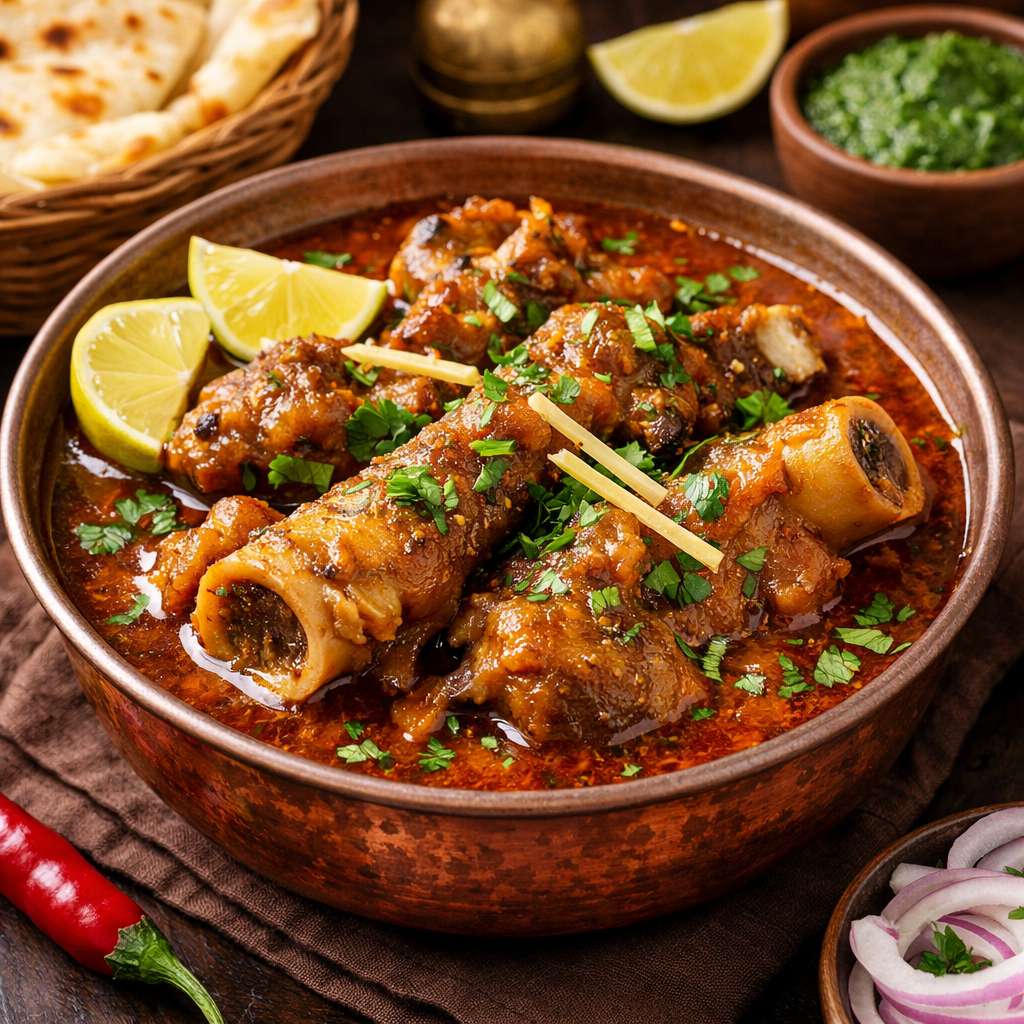
If you are looking for a rich, melt-in-your-mouth traditional Pakistani buffalo paya recipe, you are at the perfect place. At Zaika Menu, we focus on delivering authentic flavors from Pakistani kitchens straight to your home, ensuring every dish is tender, flavorful, and perfect for sharing with family and friends.
Buffalo paye are a hearty, gelatinous cut of meat that require slow cooking to fully release their natural flavors. Unlike quick pressure-cooker methods, slow simmering for several hours brings out a depth of taste that is hard to achieve otherwise. This recipe is suitable for both Pakistani and international kitchens, ensuring that no matter where you are, you can enjoy the traditional taste.
Why Buffalo Paya is Special
Buffalo paye are naturally rich in collagen and marrow, giving the gravy a thick, luxurious texture. Slow cooking provides multiple benefits:
- Connective tissues break down naturally, making the meat tender.
- Spices infuse gradually, enhancing the aroma and flavor.
- Natural fats melt into the gravy, giving it a creamy consistency.
Zaika Menu emphasizes slow cooking because the difference is remarkable: tender meat, rich gravy, and an authentic traditional taste that impresses everyone.
Ingredients (Serves 4–5)
- Buffalo paye – 1 kg (cleaned thoroughly)
- Pyaaz – 2 medium, finely chopped
- Tamatar – 2 medium, chopped
- Adrak-lahsun ka paste – 2 tbsp
- Haldi – 1 tsp
- Lal mirch powder – 2 tsp (adjust taste)
- Dhaniya powder – 2 tsp
- Garam masala – 1 tsp
- Zeera – 1 tsp
- Tez patta – 2
- Kali mirch – 10–12
- Namak – as per taste
- Cooking oil or ghee – 4 tbsp
- Hara dhaniya – for garnish
- Pani – 6–8 cups (enough to cover paye)
Optional:
- ¼ cup Dahi (for richer taste)
- 1 tsp Kasuri methi
- Lemon juice – 1 tsp (for finishing touch)
Step 1: Cleaning and Preparing Buffalo Paya
First, clean the buffalo paye thoroughly. Remove excess skin and fat to ensure the gravy remains clean and fresh. If the paye has a strong odor, soak it in a mixture of water and a pinch of vinegar or haldi for 10 minutes. Rinse thoroughly and drain before cooking.
Zaika Menu Tip: Proper cleaning prevents unwanted flavors and keeps the gravy naturally fresh.
Step 2: Searing and Base Formation
Next, heat a heavy-bottomed pot or handi and add ghee or cooking oil. Sauté zeera and tez patta for 30 seconds to release their aroma. Then add the chopped pyaaz and cook until golden brown, approximately 8–10 minutes. Stir in adrak-lahsun paste and sauté for another 2–3 minutes.
Tip: Building a strong flavor base enhances the final dish. The caramelized onions and sautéed ginger-garlic paste give the gravy a rich aroma and depth.
Step 3: Preparing the Masala
Now, add chopped tamatar along with haldi, lal mirch, and dhaniya powder. Cook on medium flame until the tamatar softens and the oil separates from the masala, around 5–7 minutes. If you prefer extra creaminess, gently whisk in dahi at this stage.
Zaika Menu Tip: Slow-cooking the masala develops a naturally rich flavor that perfectly complements buffalo paye.
Step 4: Slow Cooking Buffalo Paya
After preparing the masala, carefully place the cleaned buffalo paye into the pot. Pour 6–8 cups of water or bone broth to fully submerge the meat. Cover the pot tightly and simmer on the lowest flame for 6–8 hours.
Zaika Menu Tips:
- Meanwhile, check occasionally; add water if the liquid reduces too much.
- Slow cooking allows gelatin and natural fats to infuse the meat, creating a creamy and rich gravy.
- For convenience, you can also use an oven at 120°C with a covered pot; this works perfectly for overnight cooking.
- Adjust spices during cooking if needed to maintain balance.
Step 5: Finishing Touch
Once the meat is tender and starts falling off the bone, sprinkle garam masala and Kasuri methi for aroma. Garnish with freshly chopped hara dhaniya and optionally a few drops of lemon juice. Serve hot with naan, roti, steamed rice, or paratha.
Zaika Menu Suggestion: For a fusion twist, serve buffalo paye with garlic butter rice or mashed potatoes.
Tips & Tricks for Perfect Buffalo Paya
- Clean Thoroughly: Removing skin and excess fat ensures a clean-tasting gravy.
- Cook Low and Slow: High heat toughens meat; slow cooking guarantees melt-in-mouth tenderness.
- Use Heavy-Bottomed Pot: Even heat distribution prevents sticking and burning.
- Bone Broth: Enhances the richness and thickness of the gravy.
- Optional Overnight Cooking: Intensifies flavor naturally.
- Serving Suggestions: Pair with naan, paratha, mint chutney, or cucumber salad.
- Leftover Magic: Buffalo paye can be used in sandwiches, wraps, or a hearty stew the next day.
- Adjust Spices Gradually: Taste periodically for perfect balance.
- Garnish: Lemon juice or fresh herbs add freshness to the dish.
Zaika Menu Perspective
At Zaika Menu, our goal is to preserve authentic Pakistani flavors while making recipes accessible globally. This buffalo paye recipe:
- Shows genuine slow-cooking techniques
- Provides step-by-step guidance for all levels
- Includes tips & tricks for restaurant-quality tenderness
- Ideal for family meals or special occasions
- Encourages longer visitor engagement with detailed instructions
Serving Suggestions
Serve your slow-cooked buffalo paye with:
- Freshly baked naan, paratha, or steamed rice
- Mint chutney or cucumber salad
- For a global twist, garlic butter rice or mashed potatoes
Zaika Menu Tip: Sharing this dish with family and guests not only impresses but also delivers a true taste of Pakistani cuisine, slow-cooked to perfection.
History and Fun Facts
Buffalo paye have been a staple in Pakistani cuisine for centuries. Traditionally cooked over slow fire, the dish was often reserved for festive occasions or weekend family meals. The collagen-rich meat not only tastes delicious but is also nutritionally beneficial, especially for joint health and bone strength.
Zaika Menu Insight: By combining tradition with modern tips, you can recreate the authentic taste at home without losing its cultural essence.
Frequently Asked Questions (FAQs)
Q1: Can I use goat or lamb paye instead of buffalo?
Yes, the cooking time may reduce slightly, but all the techniques and masala work the same way.
Q2: Can I use a pressure cooker?
Pressure cookers work, but slow cooking yields better flavor and tender texture.
Q3: How to store leftovers?
Cool the paye, refrigerate for up to 2 days, or freeze for longer storage. Reheat gently to maintain texture.
Q4: Can I make this recipe spicy?
Yes, adjust lal mirch powder and fresh green chilies according to taste.
Leave a Reply